
With the arrival of spring and blooming flowers, fishing by the riverbank is typically a relaxing and enjoyable pastime. However, beneath the crisscrossing overhead high-voltage power lines, a fishing rod and a wet fishing line can often become the line between life and death. In recent years, electrocution accidents resulting from fishing under high-voltage power lines have become all too common. Behind these tragedies lies a lack of respect for high-voltage electricity—which is “invisible and intangible”—and serves as a stark lesson regarding the absence or ineffectiveness of on-site warnings.
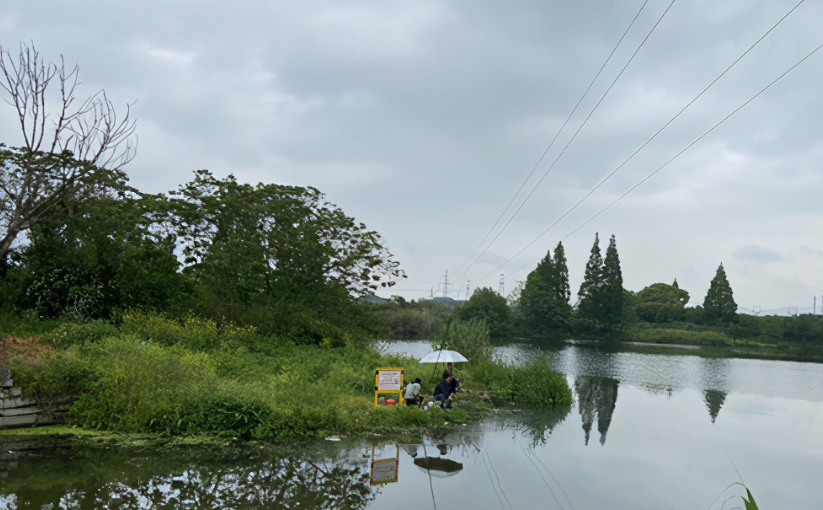
According to statistics, dozens of electrocution accidents occur annually across the country due to fishing under high-voltage power lines, with a fatality rate exceeding 90%. The victims are mostly middle-aged men in the prime of their lives who serve as the breadwinners of their families. Carbon fiber fishing rods are highly conductive. Even without direct contact with high-voltage power lines, when the rod or wet line comes within a certain distance, the air is ionized, creating an electric arc with instantaneous currents reaching tens of thousands of amperes. Victims often lose their lives before they even have time to react. Many anglers do not intentionally take risks; rather, they are simply unaware of the high-voltage lines overhead or underestimate the danger they pose. Although traditional concrete poles bear “High Voltage Danger” signs, the text is small, the signs are placed high up, and the paint has faded, making them difficult to notice. Consequently, anti-fishing warning poles specifically designed for fishing activities have emerged to meet this need—they are installed in prominent locations along rivers, ponds, and other high-risk fishing areas beneath high-voltage lines, using the most direct and striking method to warn everyone: fishing is strictly prohibited here, or else there is no return. It is against this backdrop that the Smart Anti-Fishing Warning Pole for High-Voltage Lines was developed—it is not just an ordinary metal pole, but a loyal sentinel “electrified” with the power to protect lives.
The intelligent anti-fishing warning pole system for high-voltage power lines features high-precision detection capabilities. When it detects a person or vehicle approaching the high-voltage power lines, the system immediately activates both an audio warning and flashing red and blue warning lights. Simultaneously, a high-definition camera captures images, which are wirelessly transmitted via 4G to the monitoring center’s management platform. A WeChat alert is also sent to the relevant maintenance personnel’s mobile phones. Maintenance staff can view photos and listen to audio recordings in real time from each monitoring point via their mobile phones or computers, ensuring the safety of people and vehicles as well as the stable operation of the high-voltage power lines.
The anti-fishing warning poles not only serve as a reminder to anglers but have also become a basis for local villagers to actively intervene. Many village officials have noted that in the past, when they asked people to leave areas near high-voltage power lines, they were often met with the response, “Who are you to tell me what to do?” Now, when they point to the legal provisions displayed on the warning poles, the offenders are left speechless. These warning poles have effectively become a “tangible tool” for grassroots electrical safety management. While a single anti-fishing warning pole costs only a few hundred yuan, the life it protects is priceless. It is not merely a pole; it represents an attitude: respect for safety regulations and the commitment to putting life first. The next time you pick up your fishing rod and head toward the water’s edge, please look up first—if high-voltage power lines are overhead, and if that red-and-yellow warning pole is watching you, please turn around and leave immediately. You can always go fishing another day, but the high-voltage lines won’t shut down just because you’re taking a chance.